
Culture is shaped in the everyday moments…
…so is bias.
It’s tempting to think of workplace culture as something fixed, especially if yours is guided by a clear set of values or a well-defined mission statement. But culture isn’t static, it’s dynamic and constantly evolving. It lives in meetings, day-to-day conversations, and – crucially – in the decisions your people make every single day.
Unfortunately, that’s exactly where unconscious bias lives too.
Unconscious bias isn’t always loud or obvious and it doesn’t announce itself. It shows up in the everyday – in a silent preference for a familiar name at the top of a CV, giving one colleague’s opinion more weight than another’s, or failing to notice or recognise someone’s contributions in a team environment.

These ‘micro-decisions’ often happen without any intent, but as part of the mental shortcuts we rely on when juggling tasks or processing the endless stream of information thrown at us. With research finding that AI and automation are only making work feel even faster and more intense for millions of staff, this impact is only becoming more common.
Given they hide themselves in fast-paced, high-pressure moments, these decisions can become embedded long before anyone notices a pattern. Over time, they begin to influence whose ideas are heard, who feels a sense of belonging, and who sees a future for themselves within the organisation.
That’s why even employers with genuinely good intentions can still have disparities in progression, engagement or representation. Unconscious bias shapes our feedback, changes who we mentor (and how we support them), and influences who we promote or put on talent management programmes. These are the building blocks of opportunity and the core pillars of employee development. Left unaddressed, they can create a culture of inequality, unfairness and suspicion – probably miles away from the values you have written on the wall or the mission statement on your website.
So how can you change something people don’t even realise they’re doing?
If you’re going to address unconscious bias with training and L&D support, it’s vital that you choose a proven provider, with experience of framing delicate topics in the right way for professional learners. It’s crucial to create a psychologically safe space, in which your staff can first build awareness of their own, inevitable biases and then develop their ability to mitigate them in their day-to-day role.
Effective unconscious bias training should never leave people feeling defensive, ashamed or afraid to contribute. If people feel judged, the conversation closes down immediately.
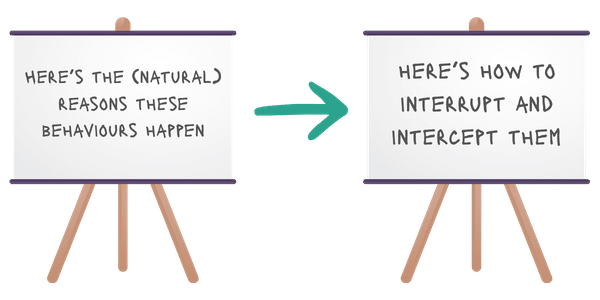
Instead, the goal should be to help staff recognise that bias is a normal feature of human decision-making, while also giving them practical tools to slow down, reflect and make fairer choices in the moments that matter.
Our virtual workshops are designed to meet your team wherever they’re working. They’re flexible, practical and focused, and will start an important conversation that you might have been putting off having, but you cannot afford to ignore.
We’ve helped a wide range of organisations to navigate this territory.
From Government departments to uniformed services and housing associations, our sessions are tailored to organisational values, include inclusion goals and a reflect deep understanding of workplace dynamics.
If you’re looking for unconscious bias training that doesn’t just tick boxes, it brings about real change – we’d love to talk. Explore our off-the-shelf virtual workshops or ask us about a bespoke solution, tailored to your organisation.