
When a new initiative struggles to gain traction (or initially works but fails to stick) it’s easy to conclude that employees are resistant to change. The reality may be that they are simply dealing with more of it than ever before.
New systems, restructures and mergers, evolving priorities, technological developments, changing customer expectations and economic pressures mean that for many employees, change is no longer an occasional disruption – it has become a permanent feature of working life.
The result is something many HR and L&D professionals will recognise: change fatigue.

This outcome, born from relentless uncertainty and constant adjustment, can mean that even positive changes feel like they add more demand on already stretched capacity. It dilutes engagement and erodes motivation. People can start operating with scepticism, apathy and an abundance of caution, rather than the agility organisations increasingly need.
Employees are expected to remain resilient and productive, regardless of how frequently the ground shifts beneath their feet. This is often unavoidable; organisations rarely have the luxury of pausing operations while people adapt. However, expecting employees to continually absorb change without support can create unsustainable pressure.
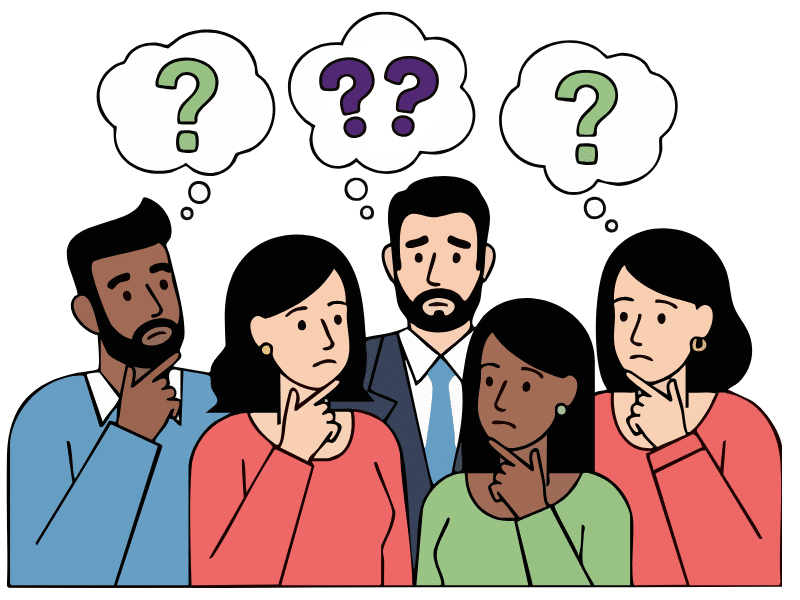
The reality is that neither group automatically possesses the skills needed to navigate this environment successfully.
That’s why organisations that handle change well, or maintain momentum through turbulent periods, don’t just focus on the changes themselves. They focus on building people’s capacity to cope with them.
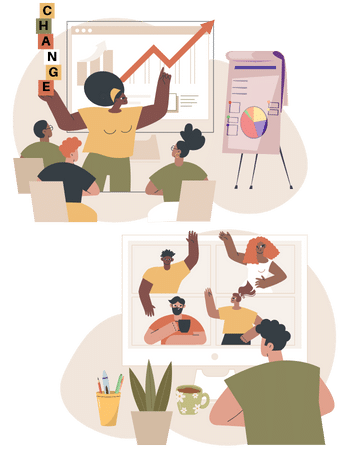
Employees benefit from learning that helps them understand their natural responses to uncertainty, build resilience and adapt more effectively when circumstances shift.
Sometimes this starts with something as simple as recognising that their reaction to change is normal and predictable. From there, they can develop practical strategies for maintaining focus, managing uncertainty and remaining effective during periods of transition.
Training can also send an important message: the organisation recognises change can be challenging, that a diverse range of reactions to it is normal, and that support is available. A simple acknowledgement of this can help employees feel more confident, engaged and willing to embrace what’s ahead.
Managers and leaders need to deepen their understanding of individual and team psychology, enabling them to anticipate reactions and respond proactively rather than being forced into constant firefighting. They also benefit from developing the skills needed to build trust, maintain motivation and create genuine buy-in, even when things are changing quickly.
If change has become a constant, helping your people develop the skills to deal with it may be one of the most valuable investments you can make.
Change fatigue is a natural by-product of the modern working world. There is no shame in recognising it exists within your workforce. However, organisations do have a responsibility to equip their people with the tools, confidence and support needed to manage it effectively.
Our learning interventions around change work because they create a safe and supportive environment in which your people can explore their experiences honestly, challenge assumptions and learn from others facing similar challenges.
Rather than focusing solely on models and theory, we encourage practical reflection, open discussion and real-world application. The result is learning that not only helps people understand change, but gives them the confidence and capability to navigate it more successfully, both now and in the future.
We’ve helped thousands of managers and employees think differently about change, and we’d love to support your organisation too. If you’d like to explore how our workshops could help your teams navigate change more effectively, get in touch.